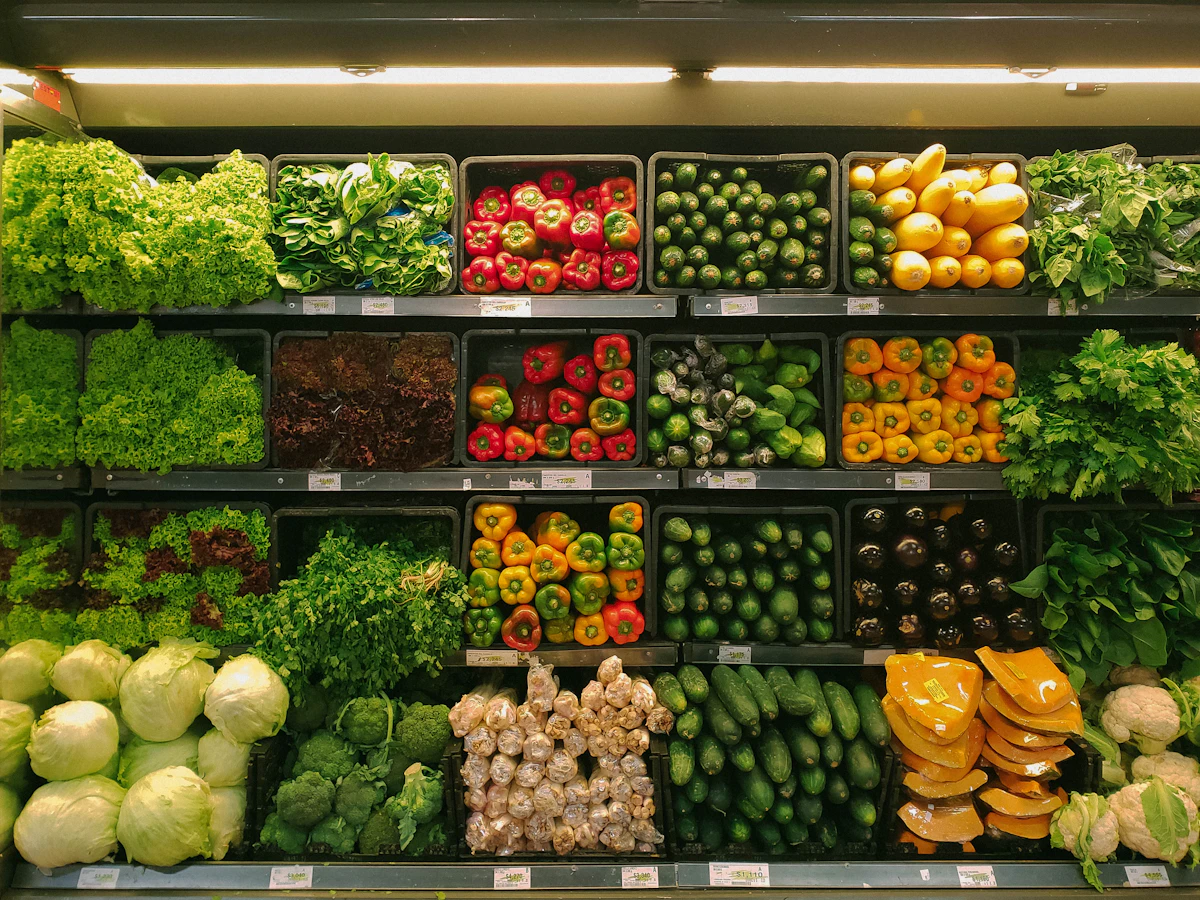
Food inflation has, over the past few years, forced millions of British households to think more carefully about how they shop than at any time in recent memory. The average British household now spends approximately £63 per week on food and non-alcoholic drinks — but with relatively modest changes to shopping habits, that figure can be reduced by 15–25% without any meaningful reduction in diet quality.
The strategies that make the biggest difference are neither complicated nor time-consuming. They are, at their core, about attention and planning — two qualities that supermarket retailers have spent enormous effort training consumers to abandon in favour of impulse purchasing.
Plan Your Meals for the Week
Meal planning is the single most impactful grocery-saving habit. Research by food waste charity WRAP consistently shows that the average British household throws away £730 worth of food annually — and the majority of it is caused by buying without a plan and then failing to use what was purchased. Spending 20 minutes on Sunday planning the week's meals, then shopping to that list, can reduce both food waste and overall spending substantially.
Embrace Own-Brand Products
The quality gap between major supermarket own-brand products and their branded equivalents has narrowed dramatically over the past decade. In Which? consumer testing, own-brand products regularly match or beat branded alternatives in taste tests — at prices that are typically 20–40% lower. Moving your staples (pasta, tinned goods, cereals, dairy) to own-brand products is one of the easiest and highest-impact changes you can make.